
27th Dec 2024
Using PVC for Outdoor Projects: Weather-Resistant Solutions
Polyvinyl chloride, commonly referred to as PVC, has become a staple across several outdoor applications thanks to its durability and consistent performance in demanding conditions. But because outdoor materials face ongoing exposure to moisture, sunlight, soil contact, and temperature swings, builders, homeowners, and landscape designers continue to ask, “Is PVC good for outdoor use?”
PVC performs solidly outdoors because it resists corrosion, biological growth, and moisture intrusion. Qualities like these make PVC a practical choice for irrigation systems, fencing components, exterior trim, and utility infrastructure. And compared with traditional materials, PVC supports long-term outdoor use while keeping maintenance demands both predictable and manageable.
The Advantages of Using PVC for Weather-Resistant Solutions
PVC’s popularity in outdoor applications stems from its strong weather resistance. Unlike wood, PVC doesn’t rot or attract insects. And unlike metal, PVC doesn’t rust when exposed to rain or humidity, making PVC particularly powerful in wet climates and regions with frequent freeze-thaw cycles.
UV resistance also plays an important role in outdoor durability. Many outdoor-rated products use UV stabilizers, and UV resistant PVC pipe holds up better under prolonged sun exposure than untreated plastics. While no material remains unchanged forever under direct sunlight, PVC slows degradation and maintains structural stability longer than many alternatives.
PVC pipe systems also tolerate rain, snow, and soil moisture without swelling or corroding. Reliability is why PVC is used so commonly in irrigation, drainage, and underground utility systems across residential and commercial outdoor space.
Additional Advantages of PVC
PVC is widely considered a low-maintenance material, as it doesn’t require sealing, staining, or corrosion treatments. Routine cleaning with mild soap and water removes surface buildup without specialized tools.
From a cost perspective, PVC often lowers long-term expenses. Labor savings matter as much as material pricing, especially in large installations. For example, contractors maintaining irrigation systems frequently report fewer service calls when using PVC pipes instead of metal alternatives that suffer from corrosion or mineral buildup.
PVC also scales well for larger projects. Municipal drainage systems, agricultural irrigation, and commercial landscapes rely on PVC conduit and pipe products because performance remains consistent over time. Each PVC product is manufactured with specific ratings, allowing professionals to match material strength to real-world conditions.
Common Outdoor Products Made with PVC Materials
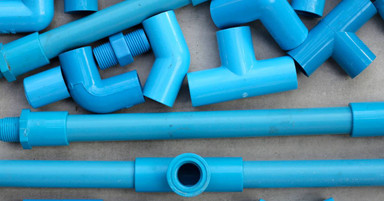
Outdoor plumbing systems represent one of the most common uses of PVC. Drainage lines, irrigation networks, and sewer laterals all rely on PVC pipe because it resists corrosion in wet soil conditions and maintains smooth interior walls that support steady flow.
Each of these systems depends on compatible components, including PVC valves, couplings, bushings, and unions. Valves allow contractors to control flow and isolate sections during maintenance, limiting downtime and disruptions.
Additionally, electricians frequently select PVC conduit for landscape lighting, sheds, and underground electrical runs because it protects wiring from moisture and physical damage. In many outdoor applications, PVC conduit provides longer service life than metal alternatives.
PVC for Building Materials
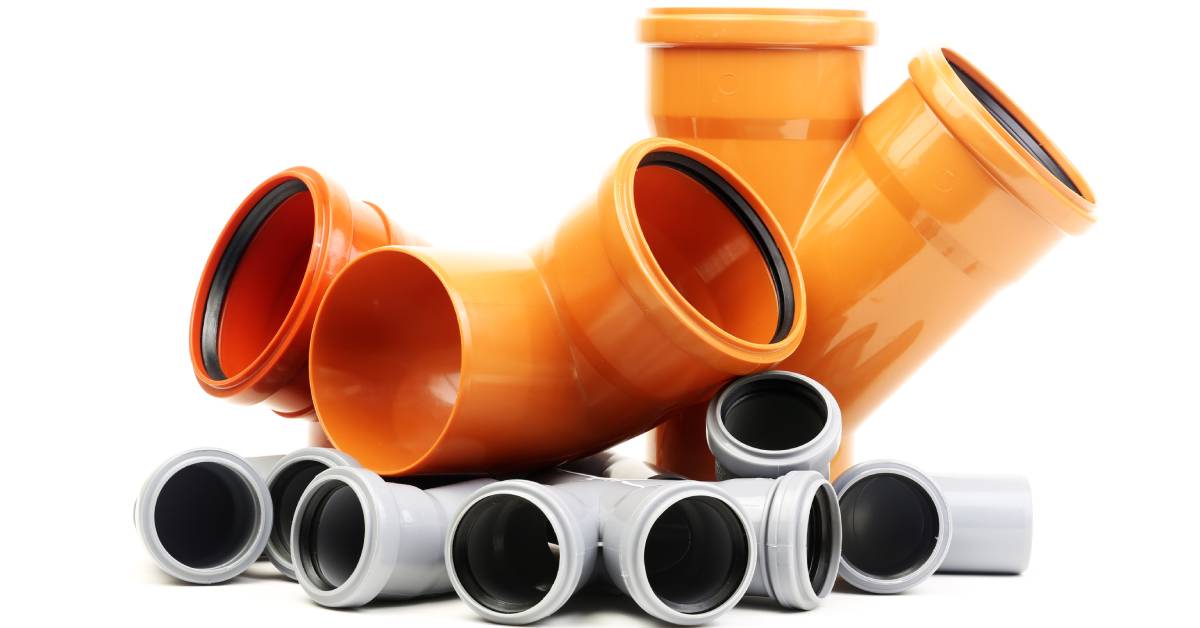
More than just piping, PVC extends into exterior construction and design. PVC decking boards resist moisture and insects while maintaining stable dimensions over time. Exterior trim, window frames, and siding also benefit from PVC’s low maintenance requirements.
PVC wall panel systems and PVC sheet materials are commonly used in sheds, gazebos, and outdoor enclosures where moisture exposure is unavoidable. PVC sheets are also used for outdoor signage because they maintain color and shape under changing weather conditions.
However, it’s important to distinguish between structural building materials and plumbing products. Pressure-rated PVC pipe should never be used as framing or load-bearing construction. CPVC pipe, while similar in appearance, differs in temperature tolerance and application and should be selected only when specifications support outdoor use.
Tips for Selecting the Right PVC Products for Different Conditions
Choosing the correct PVC product for outdoors means matching materials to environmental exposure:
- High sun exposure: select materials designed for UV resistance
- Wet environments: confirm resistance to mold and moisture
- Cold climates: verify impact ratings and flexibility
- Pressure systems: compare schedules and pressure limits
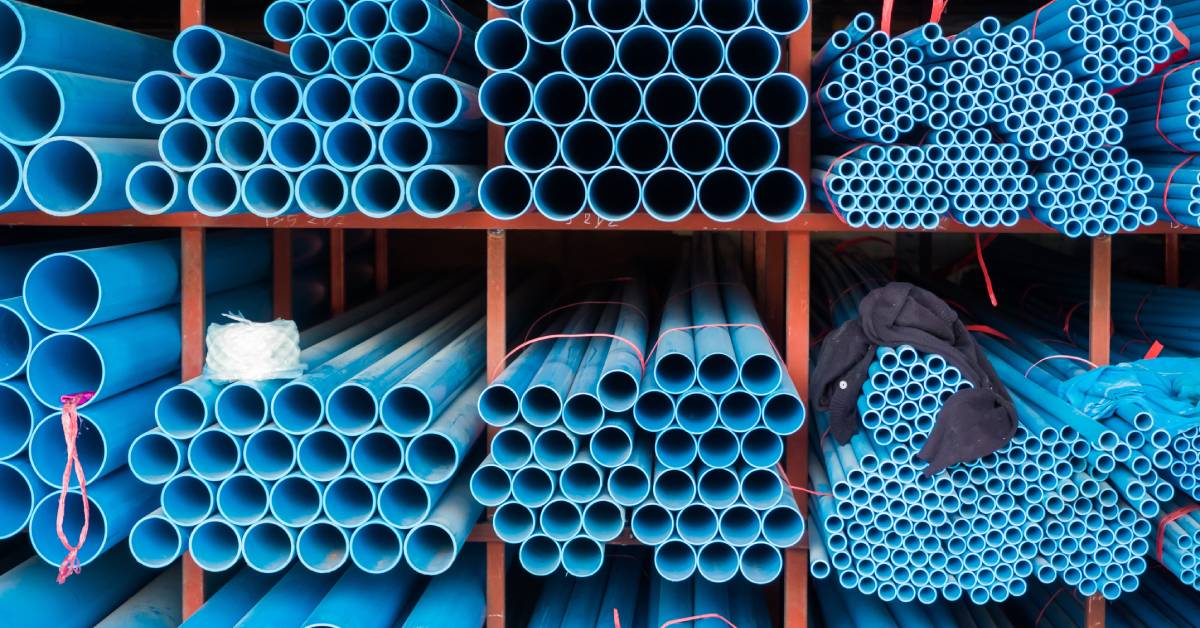
Understanding PVC pipe sizes and schedule ratings helps contractors select the appropriate materials for pressure, flow, and durability. Schedule 40 PVC works well for many outdoor applications, while Schedule 80 PVC offers thicker walls for higher-stress conditions. ASTM and NSF certifications serve as additional guidance when selecting products.
PVC Maintenance and Longevity
PVC maintenance is straightforward: Most outdoor surfaces clean easily with soap and water, and abrasive cleaners or harsh solvents should always be avoided.
Routine inspections should focus on joints, fittings, and high-stress areas. Minor damage can often be repaired using PVC cement or approved fillers, but when cracks compromise strength or alignment, replacement usually provides better value in the long-term. Seasonal inspections after extreme heat or freezing weather also help lengthen PVC outdoor longevity.
Choose the Right PVC Materials for Your Project Today
PVC continues to perform reliably across outdoor applications that demand durability, cost control, and low maintenance matter. Its resistance to moisture, corrosion, and temperature variation supports long-term outdoor use in residential, commercial, and municipal projects.
Working with a knowledgeable supplier helps professionals select the right PVC product for each application — from the first time. That’s why Maxx Supply offers an expansive selection of PVC solutions designed for outdoor environments. Our experts are here to help you plan strong systems with confidence.