BENEFITS OF PVC PIPES FOR INDUSTRIAL AND RESIDENTIAL PROJECTS
Lightweight and Easy to Handle: PVC pipes are significantly lighter than metal or other rigid plastic pipe options, making them easier to transport, position, and install. This reduces labor demands and speeds up project timelines for both residential plumbing jobs and large-scale industrial installations. The lightweight nature of PVC piping also minimizes strain on support structures and reduces the risk of injury during handling.
Cost-Effective Over the Long Term: Thanks to a low cost per linear foot, PVC pipe is an economical choice for budget-conscious projects without sacrificing quality. Its affordability allows for efficient scaling in pressure applications, irrigation systems, or sewer installations. Beyond upfront savings, its long service life and minimal maintenance requirements further reduce total ownership costs over time.
Corrosion and Chemical Resistance: Unlike metal pipe alternatives, PVC pipes will not corrode, pit, or degrade when exposed to moisture, aggressive soils, or a wide range of chemicals. This makes them ideal for applications such as chemical processing, water tanks, and wastewater transport. Their strong resistance ensures long-lasting performance in demanding environments where other materials may fail.
Long Lifespan With Minimal Maintenance: PVC piping can last for decades under normal conditions, especially when used in systems that handle potable water, sewer waste, or low-pressure industrial fluids. Its durability translates to fewer repairs, reduced downtime, and lower ongoing maintenance costs — an attractive benefit for residential homeowners and facility managers alike.
Compatible With Valves, Fittings, and Adhesives: Whether you’re working with a basic plumbing repair or a complex piping network, PVC pipes are compatible with a wide range of accessories. They work seamlessly with valves, pressure gauges, adhesives, and various connection methods, including plain end and threaded fittings. This flexibility allows for quick adjustments and expansions in the field.
Safe for Potable Water: When certified to NSF standards, PVC pipe is a safe and reliable choice for drinking water systems. Its non-toxic, plastic composition ensures no harmful leaching, making it compliant with safety regulations for both residential and municipal water supply lines.
APPLICATIONS OF PVC PIPING
PVC piping is used across a broad range of industries due to its durability, cost-effectiveness, and chemical resistance. In residential and commercial settings, PVC pipe is a staple in plumbing systems for both potable water and sewer lines. Its ability to withstand corrosion and maintain pressure applications makes it ideal for drainage, wastewater, and drinking water systems.
In agriculture, PVC pipes are widely used for irrigation, offering reliable flow to crops without the rust or buildup associated with metal alternatives. Industrial sectors also depend on PVC piping for chemical transport, as its resistance to various substances ensures safe and long-lasting performance.
Additional applications include HVAC condensate drains and venting systems, as well as pool, spa, and water tank plumbing. Thanks to its compatibility with electrical conduit, fittings, and pressure gauges, PVC is one of the most adaptable plastic pipe solutions available today.
CHOOSING THE RIGHT PVC PIPE FOR YOUR PROJECT
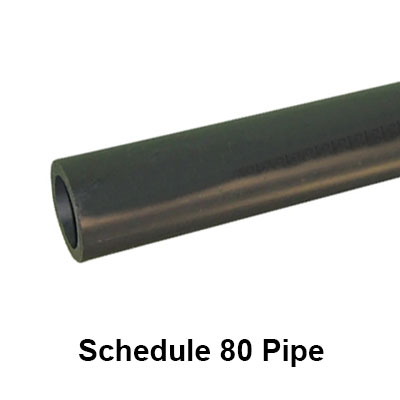
Since PVC pipes are trusted in a variety of residential and industrial applications, it’s important to understand how to choose the right PVC pipe for your project. Factors such as pressure, temperature, and chemical exposure determine which type and schedule of pipe you will need. For most residential, cold-water applications, Schedule 40 PVC is sufficient, while higher pressures or harsher conditions may require thicker-walled options like Schedule 80 PVC. Pipes used for drinking water should always be NSF-certified and meet applicable ASTM standards.
Common mistakes include using PVC in hot-water applications, selecting a pipe with a pressure rating too close to system operating pressure, or mixing incompatible pipes, fittings, and valves. All components should be properly matched in size, schedule, and pressure rating to maintain system integrity. Ignoring local plumbing or building codes can also lead to failures or costly corrections.
Pipe sizing is equally important for performance and longevity. Sizing up may be necessary for long runs or higher flow rates to reduce pressure loss, while downsizing should only be done when flow demands are low, and codes allow it. When dealing with unusual pressures, chemicals, or unclear code requirements, Maxx Supply can help ensure the correct materials are selected.
Things to consider when selecting proper PVC pipes include:
- Differences in pipe wall thickness
- Maximum internal pressure
- ASTM D1784 certified
- NSF certification for potable water
- Schedule rating for the application
Maxx Supply is not only a trusted distributor but also home to industry professionals who can assist you with any questions you have on selecting the right PVC materials that meet your project needs and compliance standards. Contact us today to learn more!