
3rd Feb 2026
Can You Bend PVC Pipe? What Works and What Doesn’t
You can bend PVC pipe, but you must respect its limits, use the correct heating method, and choose the proper application prior to trying it. Rigid PVC piping does not flex much at room temperature. It behaves like a hard plastic tube that cracks or kinks when you force a tight bend without heat. When you learn how to bend PVC pipe with controlled heat, you can form smooth curves for garden hoops, craft projects, and certain electrical conduit runs instead of stacking multiple fittings.
People bend PVC pipe to reduce the number of joints, improve flow with large-radius curves, and achieve cleaner, more continuous lines in visible installations. Fewer joints can mean fewer leak-prone connections in low-pressure or non-pressurized systems, and long sweeps often look better than a series of sharp elbows.
Many plumbers, electricians, and DIYers underestimate how much heat PVC needs and how quickly overheating leads to kinking or wall thinning. Before you bend PVC pipe, you need a clear plan for the desired shape, a safe bending tool, and a realistic understanding that bent PVC usually does not keep its original pressure rating.
Can You Bend PVC Pipe?
Standard rigid PVC is not flexible by design at room temperature. It stays stiff and brittle enough that sharp, cold bends cause cracks or permanent deformation rather than a smooth bend. Heat changes that behavior. Once you raise the pipe wall into the boiling water to low-softening range, PVC softens enough to bend without breaking.
You can bend many types of Schedule 40 PVC and similar PVC conduit when you apply even heat from a heat gun or, in some limited cases, a hair dryer or hot water bath. The softened zone bends to the desired shape, cools, and hardens again.
However, bending stays application-specific. Some pressure-related plumbing and critical systems should not rely on heat-bent sections. Not all PVC products tolerate bending equally, so you must check wall thickness, diameter, and manufacturer recommendations before you try to bend PVC pipe for anything more than a decorative or low-stress use.
When Bending PVC Pipe Makes Sense
Bending PVC makes sense in low-pressure, non-critical, or purely structural projects. Many gardeners and hobbyists bend PVC piping for hoops, trellises, greenhouses, and DIY furniture where the pipe does not carry significant water pressure. In these cases, a smooth curve reduces fittings, speeds the build, and creates a cleaner look.
Certain electrical conduit applications also benefit from bending PVC conduit because electricians can form custom offsets and sweeps that standard elbows do not match. Large-radius bends usually keep flow more consistent than tight, abrupt angles, so low-pressure drain lines or irrigation manifolds sometimes use gentle curves rather than multiple elbows. For decorative projects, cosplay props, and structural frames, bending PVC gives you creative freedom to match any desired shape without hunting for specialty fittings.
When You Should Not Bend PVC Pipe
You should not bend PVC pipe when safety, code compliance, or full pressure rating matters. Pressure-rated plumbing systems rely on tested, straight pipe, and standard fittings, so any heat bending can reduce wall thickness and compromise the published rating. Tight-radius bends introduce high stress and make kinking more likely, which further weakens the pipe wall.
Avoid bending PVC in high-temperature, chemical, or mission-critical applications where failure risks significant damage or hazard. Many plumbing and mechanical codes expect listed fittings, such as Schedule 40 PVC elbows or Schedule 80 PVC elbows, instead of job-site heat bends. You also should not bend PVC that already shows cracks, discoloration, or UV damage. Heat and stress will worsen those weaknesses.
How to Bend PVC Pipe Properly
Heat Gun
A dedicated heat gun gives controlled, localized heat and works well for most DIY bending PVC projects. Move the heat gun back and forth while rotating the pipe, so you warm the section evenly without burning it.
Hot or Boiling Water
A hot water bath or boiling water pour works for small diameters and gentle bends. The pipe softens more slowly and less deeply, so you should expect only mild curves, not tight angles.
Hair Dryer
This is the least reliable method. Hold the hair dryer close and keep it moving. It takes quite a while for it to become flexible. Heat 6 to 8 inches at a time and apply gentle pressure until the pipe starts to move. It is more likely to collapse or kink, so using a bending spring or packed sand helps.
Heated Sand or Specialty Heating Tools
Filling the pipe with heated sand or using a purpose-built pipe bender or PVC heating element distributes heat from the inside and helps maintain roundness during the bend.
Avoid open flames from torches whenever possible, as you risk charring, uneven softening, and toxic fumes. Regardless of the heating tool you choose, work in a well-ventilated area and wear gloves and eye protection.
Bending Techniques
You achieve a smooth bend by working gradually, supporting the pipe, and preventing kinking or flattening. Techniques include:
- Bend gradually; don’t force.
- Softened PVC needs gentle handling. Guide the bend slowly as the pipe reaches the proper temperature instead of cranking it quickly. Sudden force creates flat spots and micro-cracks.
- Use forms, jigs, or a larger pipe.
- Reduce kinking by filling the pipe with dry sand or inserting a bending spring. You can also use internal sleeves that support the wall from the inside during the bend.
- Hold the pipe in its desired shape until it cools fully. It must reach room temperature before you remove it from the jig or supports.
How Bending Affects PVC Strength and Performance
Bending PVC changes how the pipe handles stress. Heat alters the molecular structure temporarily and allows you to reshape the pipe, but the bending process stretches the outer wall and compresses the inner wall. That reduces wall thickness along the tightest radius, which lowers the safety margin for pressure and impact.
Because of this, a bent section may no longer match the original pressure rating, especially for Schedule 40 PVC used in plumbing or high-pressure lines. Even if the pipe doesn’t fail immediately, the bent area carries more stress during pressure spikes, temperature swings, and mechanical loads. Never rely on heat-bent PVC in critical systems or assume that a bent piece of electrical conduit or water pipe still meets its listed rating.
Better Alternatives to Bending PVC Pipe
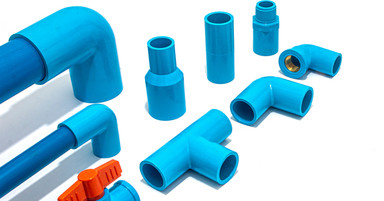
Often, fittings give you a safer and more code-compliant solution than bending. Standard elbows and sweeps provide tested geometry and maintain manufacturer ratings for pressure and structural integrity. For example, you can use Schedule 40 PVC elbows or Schedule 80 PVC elbows in pressure-rated plumbing instead of heating the pipe.
Flexible PVC and certain specialty hoses offer built-in curve capability for low-pressure applications when you want fewer rigid joints. In electrical work, many installers rely on pre-formed bends and sweeps for PVC conduit and electrical conduit that already meet code requirements.
When you use stock PVC pipe for outdoor runs, you can often route it with a combination of fittings and gentle offsets instead of relying on on-site bending. Maintaining manufacturer ratings and documented fittings helps your system pass inspection and perform predictably over time.
Common Mistakes to Avoid When Bending PVC
Several common mistakes cause failure, kinking, or unsafe bends. Avoid these pitfalls to keep your projects safer and cleaner. Common mistakes include:
- Overheating the pipe
- Uneven heating
- Bending too sharply
- Using bent PVC in pressurized systems
Should You Bend PVC Pipe?
Bending PVC can save joints, improve aesthetics, and unlock creative shapes when you work on low-pressure, decorative, or structural projects. When you choose the right bending tool, such as a heat gun, hot water method, or sand-filled technique, you can guide the pipe into the desired shape without severe kinking or flattening.
However, bending PVC always introduces trade-offs for strength, pressure rating, and code compliance. You should treat bent PVC as a solution for select situations rather than a universal replacement for fittings, especially in plumbing and electrical work. Maxx Supply serves as a trusted source for PVC pipe for outdoor use, fittings, and conduit so you can choose between standard elbows, sweeps, or careful bending based on performance, safety, and long-term reliability.