
19th Jun 2026
How to Measure PVC Coupling Size
Accurate measurements can be the difference between successful plumbing or construction projects, especially when working with PVC pipe and fittings. Once you learn how to measure PVC coupling size, you eliminate guesswork and prevent costly mistakes during installation.
Many people assume that a PVC pipe size reflects exact physical dimensions, but manufacturers base most PVC fittings on nominal pipe size instead of true measurements. That distinction often confuses even experienced DIY enthusiasts.
Incorrect sizing creates immediate issues. A coupling that doesn’t match the pipe size can cause leaks, weak joints or complete system failure. In pressure systems such as Schedule 40 or Schedule 80, even slight mismatches in outside diameter or wall thickness compromise performance.
Proper measurement ensures compatibility between every pipe fitting, whether you install a compression coupling or a standard slip fitting. With the correct approach, you can confidently match OD sizes (outside diameter sizes), verify dimensions and select the correct PVC pipe fitting for long-term durability.
TOOLS NEEDED TO MEASURE PVC COUPLINGS
You need a few simple tools to measure PVC fittings accurately, including:
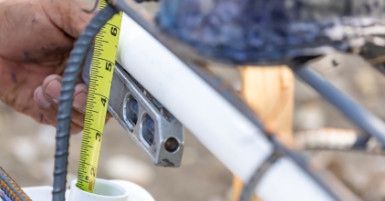
- Tape measure for diameter and length checks
- Calipers for precise outside diameter and inside diameter readings
- Pipe sizing charts to match measurements to nominal size
- String and ruler method for larger pipe: Wrap the string around the pipe, measure the circumference, then calculate the diameter (diameter equals circumference divided by pi)
Accurate tools help you avoid mismatched fittings and ensure that your PVC cement and PVC primer create a proper seal. Even a small measurement error can lead to incompatibility between the coupling and the pipe.
HOW TO MEASURE PVC COUPLING SIZE STEP BY STEP
Follow a structured process to identify the correct pipe size and fitting dimensions:
Step 1: Identify the Coupling Type
Each type serves a different purpose and affects how you measure the fitting. Types include:
- Slip couplings, which connect two plain-end pipes
- Threaded couplings, which use male or female threads
- Reducers, which join pipes of different nominal sizes
- Repair couplings, which repair damaged sections without removing long sections of pipe
Each coupling design uses different reference points for sizing, so it’s imperative that you know which fitting style you need.
Step 2: Measure the Pipe Outside Diameter (OD)
To determine the correct size, measure the outside diameter of the PVC pipe. Place calipers around the pipe for the most accurate reading. If you don’t have calipers, wrap a string around the pipe, measure the circumference, and calculate the diameter.
The OD determines the nominal pipe size. For example, a pipe with an outside diameter of about 2.375 inches has a 2-inch nominal pipe size. Always rely on the OD instead of visual estimation because the PVC pipe size doesn’t match exact measurements.
Step 3: Match the Nominal Pipe Size
After measuring the outside diameter, compare the results to a PVC sizing chart. Manufacturers standardize OD sizes, which allows consistent matching across PVC fittings.
Common examples include:
- One-half-inch PVC pipe is about equal to 0.840 inches OD
- A two-inch PVC pipe is about equal to a 2.375-inch outside diameter
Nominal pipe size reflects an industry standard rather than the actual inside diameter or outside diameter. This system ensures that every coupling fits properly regardless of wall thickness differences between Schedule 40 and Schedule 80 pipe.
Step 4: Measure the Coupling Socket
Measure the inside diameter of the coupling socket. This measurement confirms that the fitting will accept the pipe correctly.
The socket diameter usually appears slightly larger than the pipe OD to allow for proper insertion and bonding with PVC cement. Consider wall thickness, especially when working with higher-pressure systems. Schedule 80 fittings often have thicker walls than Schedule 40, which affects internal dimensions.
Check that the fitting aligns with the nominal size and the pipe schedule to ensure compatibility.
Step 5: Verify Thread Size
For threaded couplings, measure the thread size and type. Identify whether the fitting uses male or female threads, and confirm that it follows National Pipe Thread (NPT) standards.
Use a thread gauge or a sizing chart to verify accuracy. Thread mismatches often cause leaks even when the nominal pipe size appears correct. Proper thread alignment ensures that you have a secure connection without over-tightening or damaging the fitting.
MEASURE PVC COUPLINGS WITH CONFIDENCE
Accurate measurement ensures that every coupling, pipe fitting and connection performs reliably under pressure. Knowing how to measure for nominal size, outside diameter and wall thickness simplifies the entire selection process and decreases the risk of leaks and installation delays and improves system longevity.
Maxx Supply provides dependable access to high-quality PVC pipe, PVC fittings and sizing resources that support professionals and DIY users. With the correct tools and knowledge, you can measure once, install confidently and trust that every connection in your system is strong.