
26th Mar 2026
Understanding Diaphragm Valves
In every industrial fluid system, valve selection shapes safety, uptime, and lifecycle cost. A diaphragm valve often offers the most reliable option when a process handles corrosive, abrasive, or hygienic media because the flexible diaphragm isolates the moving parts from the fluid stream.
Operations managers and engineers rely on these valves to maintain tight flow control, avoid contamination, and simplify maintenance in demanding environments such as water treatment, chemical processing, and sanitary production. Knowing what a diaphragm valve is, how it works, and where it performs best allows your team to standardize on the right control valve technologies and reduce unplanned downtime. When you match the diaphragm materials and valve body to fluid and operating conditions, you gain longer service life, more predictable sealing performance, and better overall system reliability.
UNDERSTANDING DIAPHRAGM VALVES
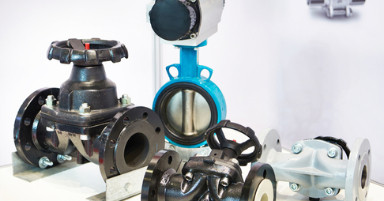
A diaphragm valve uses a flexible diaphragm and a specially shaped valve body to start, stop, or modulate flow in a pipeline. The diaphragm presses against a valve seat or raised weir to shut off flow and lifts away to allow the fluid to pass. The diaphragm creates a barrier between the process fluid and the bonnet, stem, and actuator, which protects the operating mechanism from corrosion and contamination. In fluid handling systems, that separation reduces maintenance frequency, improves cleanliness, and increases confidence in leak-tight isolation.
Diaphragm valves appear in markets such as water and wastewater, chemical processing, mining, power generation, and pharmaceutical and bioprocessing, as they handle dirty, corrosive, and high-purity services equally well when specified correctly. In many plants, they serve as both on/off and flow control devices, especially where operators need linear, predictable flow characteristics at relatively low to medium pressures.
WHAT IS A DIAPHRAGM VALVE?
When people ask, “What is a diaphragm valve?” they refer to a linear-motion valve that uses an elastomeric or PTFE diaphragm to control the passage of fluid. The diaphragm attaches to a valve stem and moves up or down to change the opening above a seat or weir, which adjusts flow or provides a tight shutoff.
Unlike many other valve types, the wetted parts in a diaphragm valve typically include only the body, the diaphragm, and sometimes, an internal lining, so the design minimizes entrapment areas and dead zones.
Compared to ball, globe, or gate valves, a diaphragm valve offers a sealed bonnet cavity and isolates the stem and actuator from the process fluid, which reduces fugitive emissions and external corrosion. Industries that depend on this separation include pharmaceuticals, food and beverage, microelectronics, and other sanitary or high-purity applications that can’t tolerate cross-contamination or difficult-to-clean geometries.
HOW DOES A DIAPHRAGM VALVE WORK?
A diaphragm valve operates through linear diaphragm movement against a valve seat or raised weir. When the actuator or handwheel drives the valve stem downward, the diaphragm deflects until it contacts the weir or seat and stops the flow path. When the stem retracts, the diaphragm lifts and opens a controlled flow area.
In weir-type designs, the raised weir shortens diaphragm travel and improves throttling accuracy, while the straight-through version allows an unobstructed bore for slurries and viscous media.
Manual diaphragm valves use a handwheel and threaded stem to position the diaphragm, while automatic versions use pneumatic or electric actuators for on/off and proportional flow control. Because the diaphragm itself forms the primary seal to the valve seat, the design offers excellent leak prevention even with aggressive chemicals or suspended solids when you choose the correct diaphragm material and operating pressure range.
MAIN COMPONENTS OF A DIAPHRAGM VALVE
A typical diaphragm valve includes a valve body, diaphragm, bonnet with actuator, and an internal valve seat or weir. The valve body defines the flow path and material compatibility. Common materials include PVC, other thermoplastics, stainless steel, and lined metals for corrosive service. The flexible diaphragm usually consists of elastomers such as EPDM or butyl, or PTFE-faced composites for high chemical resistance and sanitary processes.
The bonnet houses the valve stem and connects to a manual handwheel or an automated actuator. The valve seat or weir provides the sealing surface that the diaphragm contacts, so its geometry directly affects shutoff tightness and flow characteristics. Every component, from the body material to the diaphragm construction, contributes to performance, making proper selection essential for pressure rating, temperature capability, and long-term reliability.
TYPES OF DIAPHRAGM VALVES
Weir-Type Diaphragm Valves
Weir-type diaphragm valves use a raised saddle or weir within the body that the diaphragm presses against to block flow. The weir reduces the amount of diaphragm deflection during operation, which lowers mechanical stress and typically increases diaphragm life compared to flat-seat designs. These valves provide precise flow control, work well in low-pressure or low-flow applications, and handle many corrosive or abrasive fluids in chemical, water treatment, and process industries.
Straight-Through Diaphragm Valves
This type of diaphragm valve, sometimes called full-bore designs, removes the internal weir and allows an unobstructed flow path. That geometry minimizes pressure drop and turbulence, which benefits slurries, viscous fluids, and services that require effective clean-in-place operation. These valves excel where solids loading or high viscosity challenge other valve designs, though they may impose more diaphragm flexing and can limit throttling accuracy compared to weir-type valves.
ADVANTAGES OF DIAPHRAGM VALVES
Diaphragm valves offer excellent leak prevention because the diaphragm forms a continuous, elastomeric seal over the valve seat and bonnet interface. The sealed bonnet keeps the operating components isolated from the process, which lowers exposure to corrosive vapors and reduces the risk of external leakage and emissions. Maintenance teams appreciate the straightforward design because replacing a diaphragm and inspecting the body usually requires minimal downtime and no complex machining.
These valves also provide strong chemical resistance when you combine a compatible diaphragm material with thermoplastic or lined metallic bodies. As a result, they suit corrosive chemical feed lines, ultra-pure water distribution, and sanitary or aseptic applications that demand clean, crevice-free wetted surfaces.
LIMITATIONS OF DIAPHRAGM VALVES
Diaphragm valves don’t fit every service because the diaphragm material and body design impose pressure and temperature limits. Many elastomeric diaphragms operate best in low to medium pressure ranges and moderate temperatures. High-pressure or high-temperature duties may require alternative valve types or special materials. Over time, the diaphragm experiences flex fatigue and chemical aging, so operators must plan periodic inspection and replacement to maintain reliable sealing.
Flow rate considerations also matter because smaller sizes and weir-type bodies can introduce additional pressure drop versus some ball or butterfly valves, especially in high-flow mains. For severe throttling or very high differential pressures, globe or control valves with metal trim sometimes provide better stability and service life.
COMMON APPLICATIONS FOR DIAPHRAGM VALVES
Water and wastewater treatment plants use diaphragm valves for chemical dosing, filtration, sludge handling and disinfection systems because these valves tolerate slurries and aggressive treatment chemicals while maintaining reliable shutoff. Chemical processors depend on them for acids, caustics, and corrosive brines, where lined bodies and chemically resistant diaphragms provide long service life.
Food and beverage producers employ sanitary diaphragm valves for ingredient transfer, CIP loops, and filling lines because the smooth, crevice-free flow path simplifies cleaning and validation.
Pharmaceutical and bioprocessing facilities rely on diaphragm valves in water-for-injection systems, bioreactors and sterile distribution loops where sterility and drainage matter. More broadly, industrial fluid handling systems cross power, mining, pulp and paper, and oil and gas use diaphragm valves wherever cleanliness, corrosion resistance, and dependable flow control outweigh the need for extreme pressure capability.
WHY DIAPHRAGM VALVE QUALITY MATTERS
High-quality diaphragm valves protect system performance by providing reliable sealing, consistent flow control, and longer diaphragm life under real process conditions. Better materials and construction reduce downtime from leaks, diaphragm failures, and actuator problems, which lowers the total cost of ownership, even if the initial purchase price runs higher.
Quality also means proven compatibility between the valve body, diaphragm and process fluid, so you avoid unexpected swelling, embrittlement, or extractables that threaten product quality or safety.
When you source diaphragm valves from specialized PVC and thermoplastic supplier Maxx Supply, you gain access to application support for valve sizing, material selection, and integration with compatible PVC pipes and fittings. Maxx Supply helps you buy PVC diaphragm valves that match your pressure, temperature, and chemical resistance requirements, so your flow control strategy aligns with the rest of your piping system and accessories.