
19th May 2026
Understanding Male Pipe Thread (MPT) Connections in PVC Applications
Male pipe thread connections play a critical role in modern plumbing and industrial piping systems, especially when working with PVC pipes and fittings. What is MPT, and why does it matter so much for reliable connections?
MPT stands for male pipe thread, and it refers to the external threading found on fittings that screw into compatible female pipe thread connections. These threaded systems appear across residential plumbing, irrigation layouts, pool equipment, and industrial processing lines because they create strong, serviceable joints without permanent bonding.
Contractors, engineers, and DIY installers rely on male pipe thread connections because they allow quick assembly, disassembly, and maintenance. When you understand how National Pipe Thread standards define thread geometry and sealing behavior, you avoid leaks, mismatched fittings, and costly system failures. A clear grasp of thread compatibility, sealing methods, and installation techniques gives you full control over system performance and longevity.
WHAT DOES MPT MEAN?
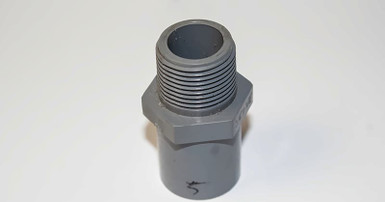
MPT refers to a male thread cut onto the outside of a pipe or fitting. This external threading allows the component to screw directly into a female pipe thread (FPT) fitting, forming a tight mechanical connection. What is MPT? The simplest answer points to its function: It connects components through threaded engagement rather than solvent welding or compression.
Most MPT fittings in the United States follow National Pipe Thread (NPT) standards, which define thread angle, taper, and pitch. The taper plays a crucial role. As the male pipe thread advances into the female pipe thread, the threads compress against each other, increasing friction and sealing capability.
Unlike straight threads, NPT-based pipe thread designs rely on this taper to help prevent leaks. That design makes MPT fittings ideal for systems that require secure yet removable connections. You see them across PVC, brass, and stainless steel systems because they offer versatility and reliability.
HOW MPT CONNECTIONS WORK
Male threaded fittings connect by screwing into female threaded ports or fittings. The tapered design of the pipe thread ensures that the connection tightens progressively as you turn the fitting. This mechanical interference creates the foundation of the seal.
However, the threads alone don’t guarantee a watertight joint. Installers typically apply PTFE tape or liquid thread sealant to the male thread before assembly. This material fills microscopic gaps between threads, blocks leak paths, and reduces friction during tightening.
Proper engagement matters. If the male pipe thread doesn’t seat correctly into the female pipe thread, gaps can form, leading to leaks or pressure loss. On the other hand, excessive force can damage PVC threads, which lack the strength of metal fittings. A balanced approach of using firm but controlled tightening ensures system reliability.
For example, when connecting a PVC pump outlet to a threaded valve, the installer wraps PTFE tape around the male pipe thread, inserts it into the valve port, and tightens it until it’s snug. That simple process creates a durable, serviceable seal.
COMMON TYPES OF MPT PVC FITTINGS
PVC systems include a wide range of fittings that feature male pipe thread connections. These components allow installers to transition between glued pipe sections and threaded equipment interfaces.
Common MPT PVC fittings include:
- Male Adapters: Connect solvent-welded PVC pipes to threaded systems. Widely available in Schedule 40 male adapters and Schedule 80 male adapters.
- Threaded Nipples: Short sections of pipe with male threads on one or both ends. Used to extend or join threaded connections.
- Reducer Bushings: Allow size transitions between different threaded fittings while maintaining a male thread interface.
- Male-Threaded Valves: Enable easy installation and removal of shutoff or control valves in a system.
- Bulkhead Fittings: Provide secure threaded connections through tanks or walls. Often used in water storage or filtration systems.
These fittings frequently connect pumps, filters, and other equipment that require threaded ports rather than solvent-weld joints.
COMMON APPLICATIONS FOR MPT CONNECTIONS
MPT fittings appear across a wide variety of systems because they support modular, maintainable designs. Their ability to connect and disconnect without cutting the pipe makes them especially valuable in dynamic or service-heavy environments.
Typical applications include:
- Irrigation systems and sprinkler assemblies, where seasonal maintenance requires easy disassembly
- Pool and spa plumbing, especially around pumps, heaters, and filtration units
- Residential and commercial plumbing systems that incorporate threaded fixtures and valves
- Pump systems and filtration equipment, where technicians must access components regularly
- Industrial process piping, including chemical handling and manufacturing lines
- Water treatment systems, where filters and housings require periodic replacement
In each case, male pipe thread connections allow technicians to remove components without disturbing the surrounding PVC pipes, which reduces downtime and repair costs.
ADVANTAGES OF MPT FITTINGS
Male pipe thread fittings offer several practical benefits that make them a preferred choice in many PVC systems.
Key advantages include:
- Removable connections that simplify maintenance, repairs, and upgrades
- Easy integration with valves, pumps, and equipment that feature threaded ports
- Flexible system design that allows modular assembly and reconfiguration
- Wide availability across materials, sizes, and pressure ratings
- Compatibility with various plumbing and industrial standards, especially those based on National Pipe Thread specifications
These benefits make MPT fittings especially valuable in systems that evolve over time or require regular servicing.
HOW TO INSTALL MPT FITTINGS PROPERLY
Correct installation ensures that MPT connections perform reliably without leaks or damage. Each step requires attention to detail, especially when working with PVC pipes, which can crack under excessive stress.
To install MPT fittings properly:
- Apply PTFE tape or an approved thread sealant to the male thread. Wrap the tape in the direction of tightening to prevent unraveling.
- Thread the pipe by hand to avoid cross-threading. Ensure smooth engagement from the beginning.
- Tighten the pipe gradually using appropriate tools. Stop once the connection feels snug and secure.
- Align components properly to prevent stress on the joint.
- Never apply solvent cement to threaded joints. It can damage threads and compromise the seal.
Mistakes to avoid include:
- Overtightening PVC threaded fittings, which can cause cracking or deformation
- Cross-threading fittings, which ruins thread integrity and leads to leaks
- Using incompatible thread standards, such as mixing NPT with non-tapered threads
- Applying excessive thread sealant, which can interfere with proper engagement
- Mixing incompatible pipe materials without proper transition fittings
Installers who follow these practices maintain strong, leak-resistant connections that last under pressure and temperature variations.
CHOOSING THE RIGHT MPT FITTING
Selecting the correct MPT fitting requires more than matching thread type. Several factors influence performance and compatibility.
Important considerations include:
- Matching nominal pipe size; consult guides such as our PVC Pipe Sizing to ensure proper fit
- Choosing between Schedule 40 and Schedule 80 PVC based on pressure requirements and wall thickness
- Evaluating pressure and temperature ratings for the intended application
- Confirming material compatibility with the fluid transported by the pipe
- Verifying thread standards and dimensions to ensure proper mating between male pipe thread and female pipe thread components
A well-matched fitting prevents leaks, reduces stress on the system, and extends overall service life.
MAKE MPT CONNECTIONS WITH CONFIDENCE
MPT fittings form the backbone of many threaded PVC systems, offering a dependable way to connect pipes, valves, and equipment. When you understand how male pipe thread connections interact with female pipe thread components, you gain control over system performance and maintenance.
Proper installation techniques, correct fitting selection, and adherence to National Pipe Thread standards eliminate common issues such as leaks and thread damage. With the right approach, these connections deliver strength and flexibility across a wide range of applications.
Maxx Supply provides high-quality threaded fittings and adapters designed to meet demanding system requirements. Explore reliable options, choose the right components for your setup, and build PVC systems that perform with precision and durability.